
NAMIBIA
May 2026
'Flying the Skeleton Coast & Kunene'
Eight days. One Cessna. Endless horizons. Flying with the family who pioneered aerial safaris in Namibia, this journey follows the country's most remote corners, from the towering dunes of Sossusvlei and the abandoned streets of Kolmanskopp to the shipwrecks of the Skeleton Coast and the wild frontier of the Kunene River. Exploring Namibia from the air reveals a country few ever truly see, where every flight uncovers another landscape, every landing tells another story, and the scale of the wilderness is almost impossible to comprehend.
DAY 1
————————————————————————
Personality, profile, product, that’s our sweet spot and this trip promises to have it all. Namibia, 8 days, flying with the family that pioneered flying safaris in Namibia.
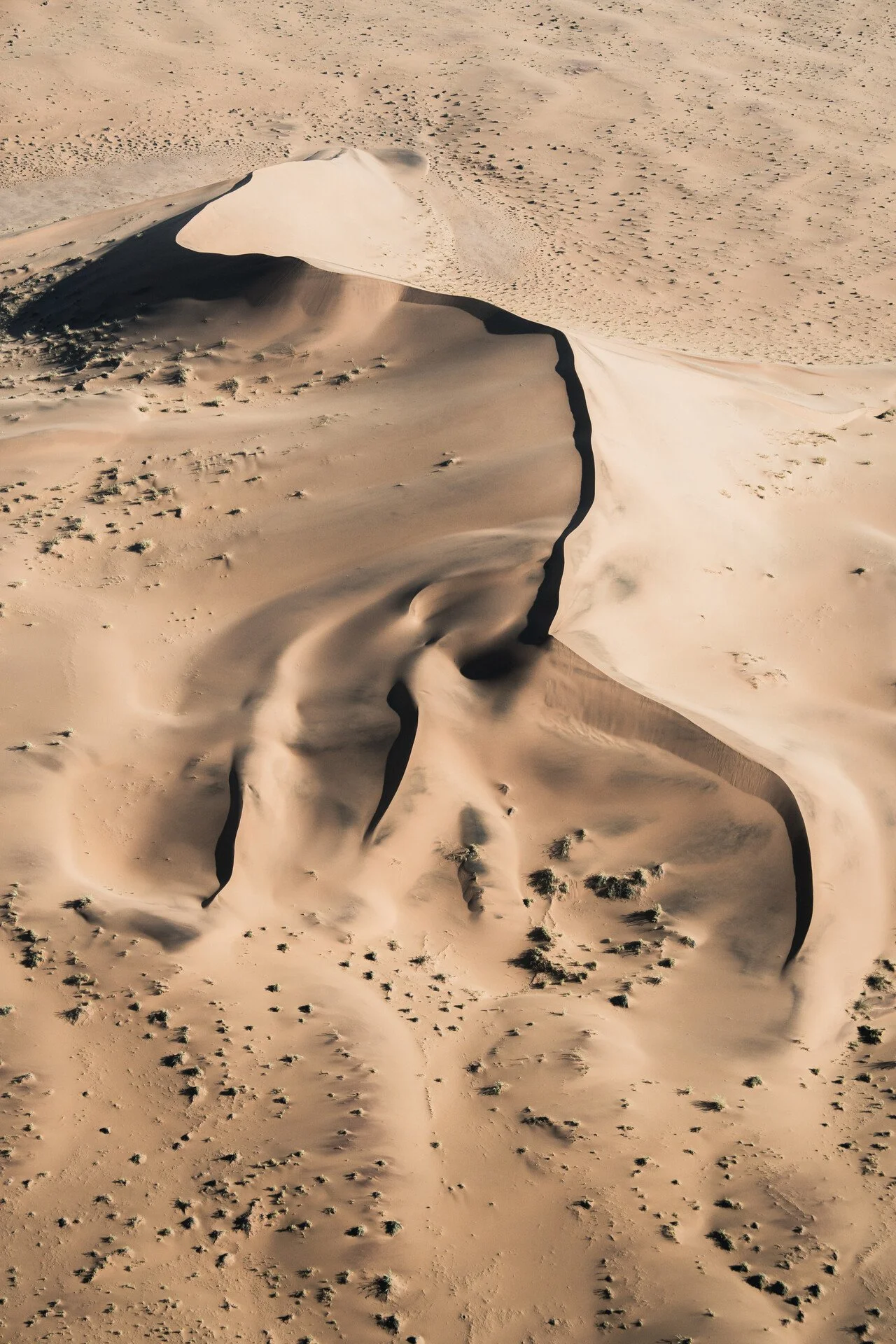
We head southwest towards the coast and the dunes of Sossusvlei, 2hrs of aerial Namibia the landscape opening up slowly but surely into the wilds of the desert south. It starts strong and only promises more.
DAY 2
————————————————————————
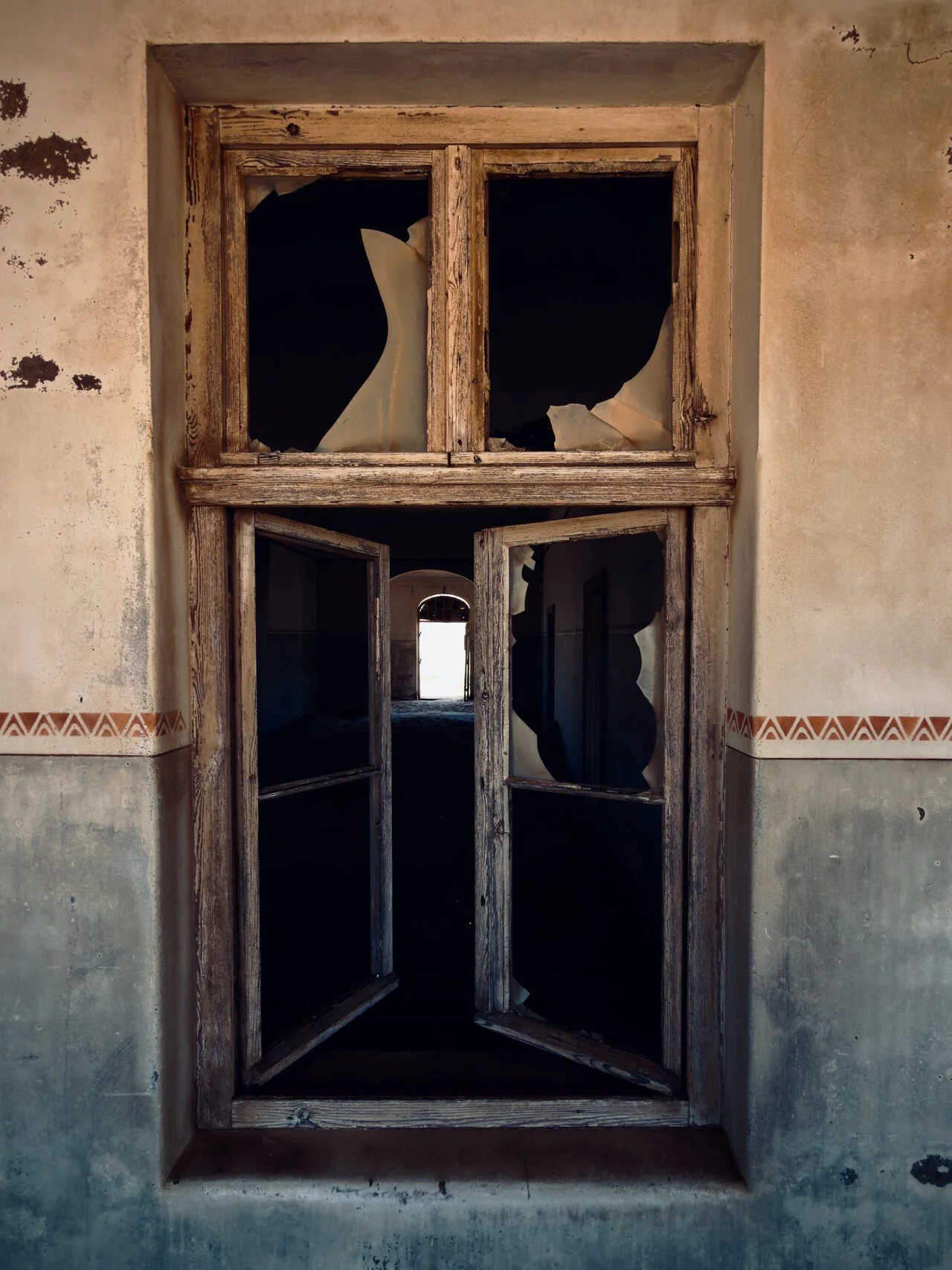
Kolmanskopp – a short hop in our private aerial taxi to the coast and Kolmanskopp, the the 4 of us – and Andre the pilot of course – Kolmanskopp I have always wanted to visit, it is sthe stuff of fables, a long-forgotten mining town drowned in the encroaching desert sands, parts of its history hidden tot eh world forever more. More touristy than I was expecting I have to admit, but let that subside and it really is a remarkable place. Take the time to get lost in its buildings, the old school, the hospital, butchers, lirbbary and more. You manage to find these hidden corners and secrets that feel imitate and lost, only visible to your mind’s eye. As a photographer you could spend just a few fleeting hours here or get lost for days in your imagery as the backdrop lends itself to many mysteries of light.
A drive onwards to the wild coast reminding me how harsh and unforgiving this arid shoreline really is, an old whaling station, a faded lighthouse, a shoreline shack selling fish and chips set in contrast to modern day wind turbines fighting to stay upright against offshore winds.
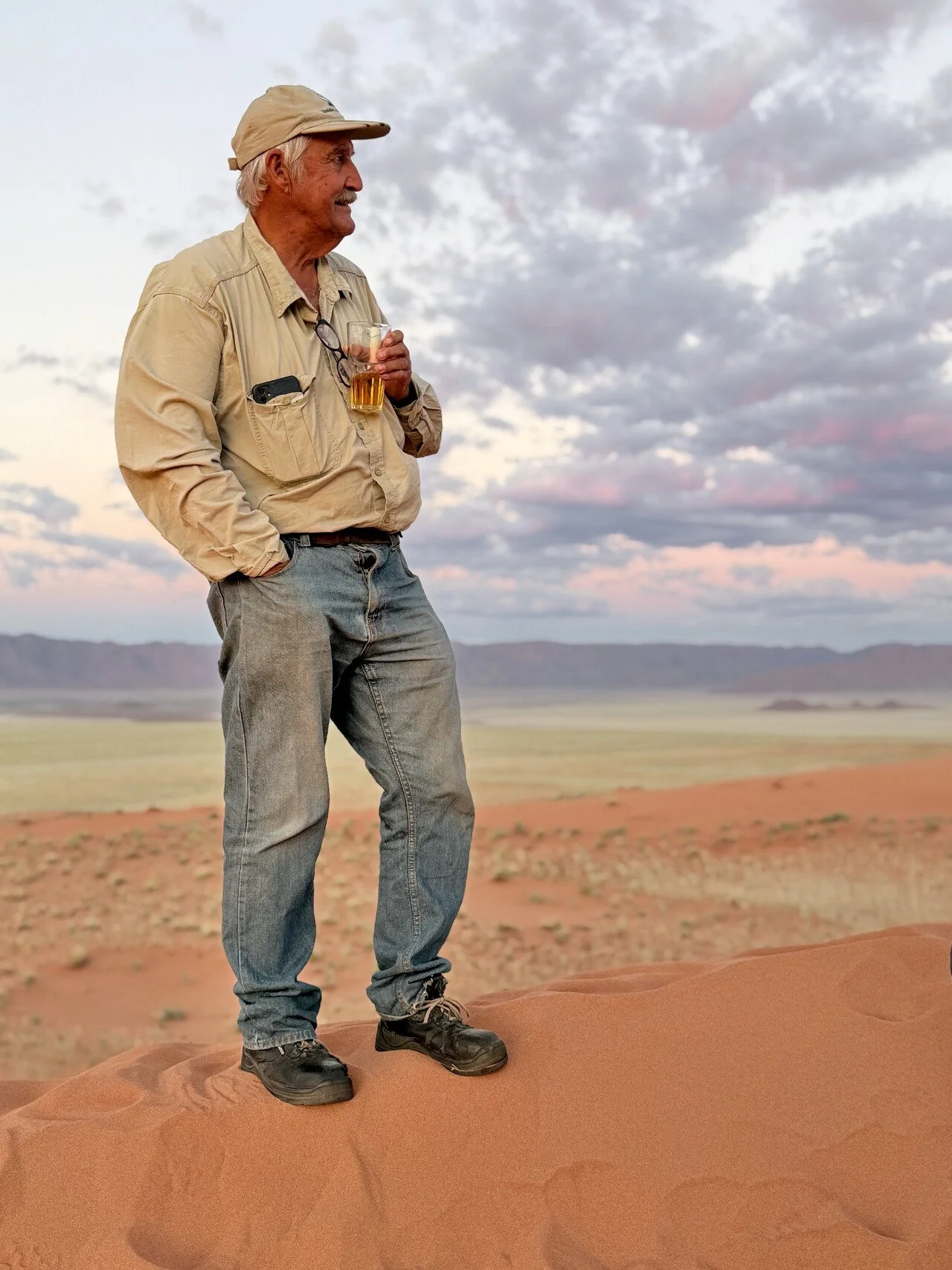
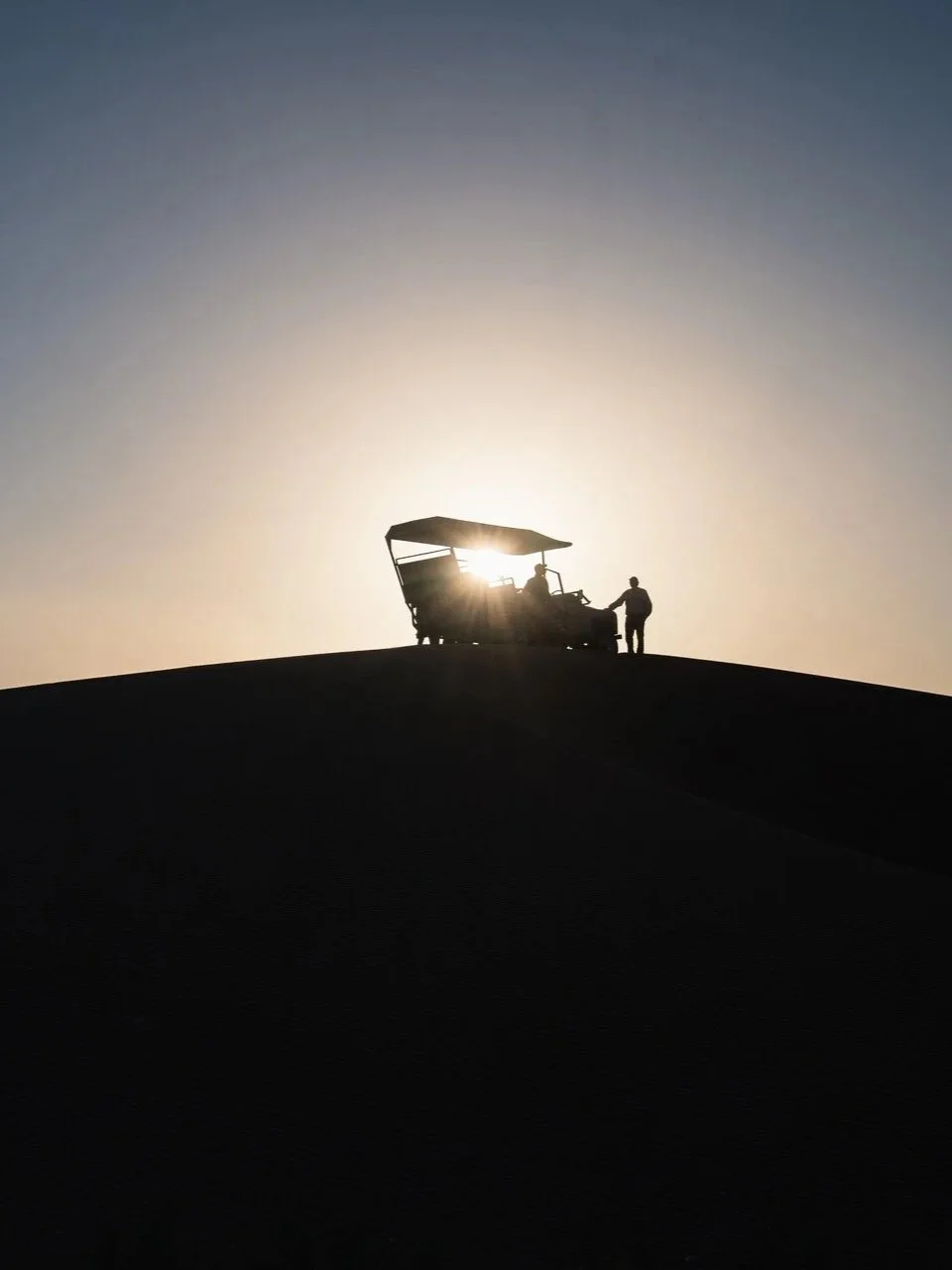
Arriving back to our lodge for the night, we make it for sunset, a 4x4 escapade out into the nearby dunes as the sun drops behind the horizon, a cold beer in hand, oryx patrolling the dunes their markings set off in the red hue of the disappearing sun. the next morning I wake to a similar sight as a snuffle past my tented door looking out to see – what I hope – are the same two oryx wandering past my tent in the morning light and out towards the watering hole a few metres from breakfast.
DAY 3
————————————————————————
Writing this from the plane as we just flew over 4 humpbacks feeding off the coastline, and a flock of flamingos flying out…some words just can’t touch it. One of the most beautiful moments I have had in Africa. Shipwrecks in the sands, seal colonies, whales breaching and feeding off the shore, a flock of flamingos taking flight over the desert dunes. Africa at its best and most magical. Lost for words.
A day of extremes, making our way up from Wolwedans, zig zagging our way from inland to the coast, stopping once, twice for fuel. Even when there is nothing to see you are just lost in the beauty of the landscape passing below, sand dunes, rock formations, granite rock outcrops, small, moulded breast like hills, all kicking out of Namibia’s earth making this place unique as it is.
I always say Namibia is to be explored by the air and I couldn’t be more right. It just keeps on giving.
From one marine fest moment to shipwrecks in the sand, we push on north crossing over Walvis Bay and then Swakopmund.
More shipwrecks, this time with a few cars dotted in the dunes exploring the lost shores of Namibia by 4X4, our journey short and swift theirs the making of days bouncing through the desert.
The coast dunes to these stunning Ugab rock formations pushed up from the ocean floor formed from sub-marine rock avalanches and folded ocean floors millions of years ago, now carpeting the Namibian landscape making for a unique form of rock folded terrain.
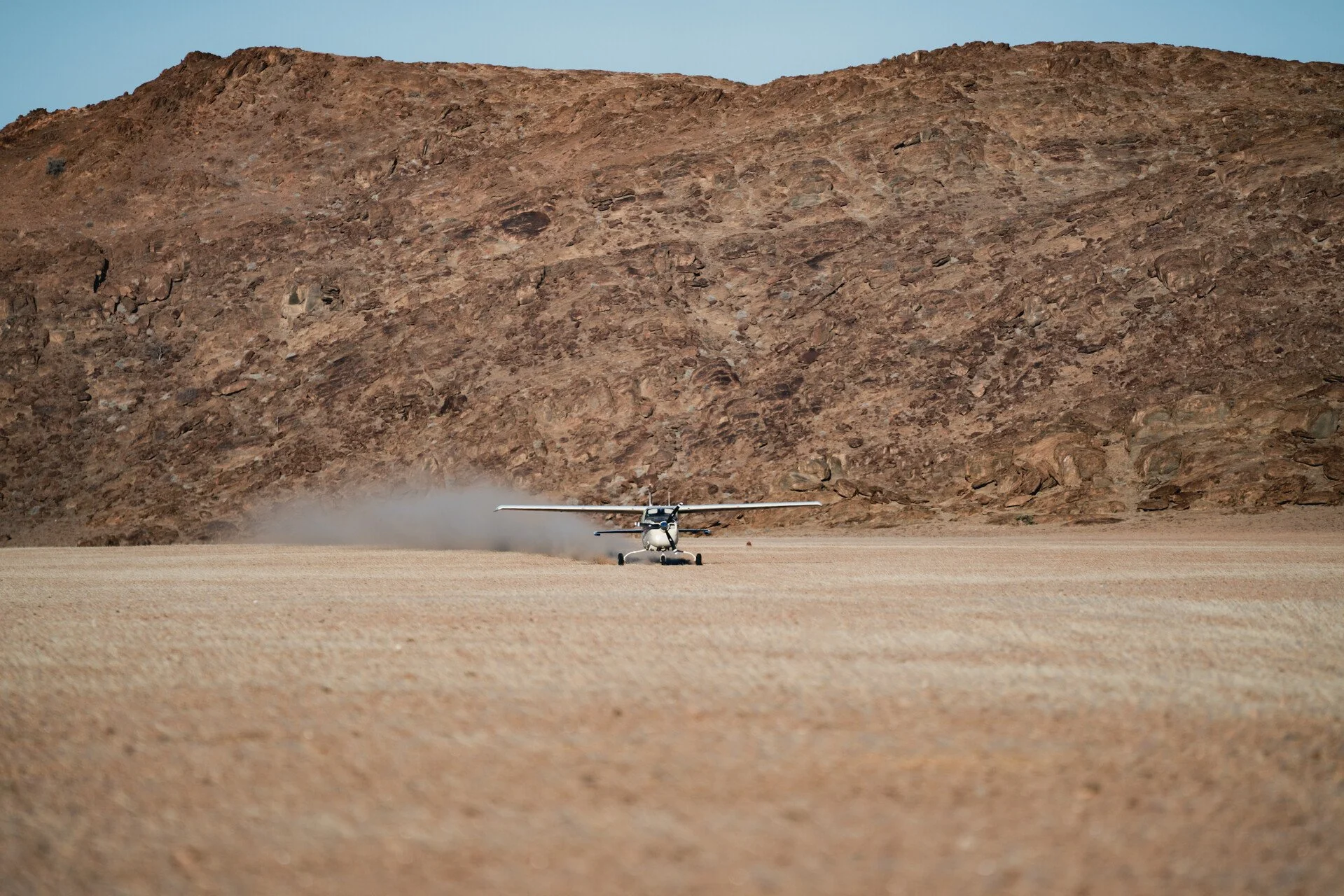
André - our guide and pilot - says let’s take a closer look. From nowhere he banks the plane hard left, points the nose down and heads for the valley floor. Splitting the rock walls with our little Cessna, André bounces us earthwards, kicking up dust as we bounce along the narrow valley floor making our own airstrip as we go.
Absolute silence, no one there, nothing there. Except for dinosaurs. André picks up fresh rhino tracks just from this morning, and we pick our way down the valley tracing the tracks in the sand to what André explains is an intermittent oasis. ‘The rhinos’ often come here and open this water source up he explains as we walk the valley floor marvelling at incomprehensible geology along the way.
Then we fly to Camp…looking for elephant along the way walking the linear oasis of the river basin…
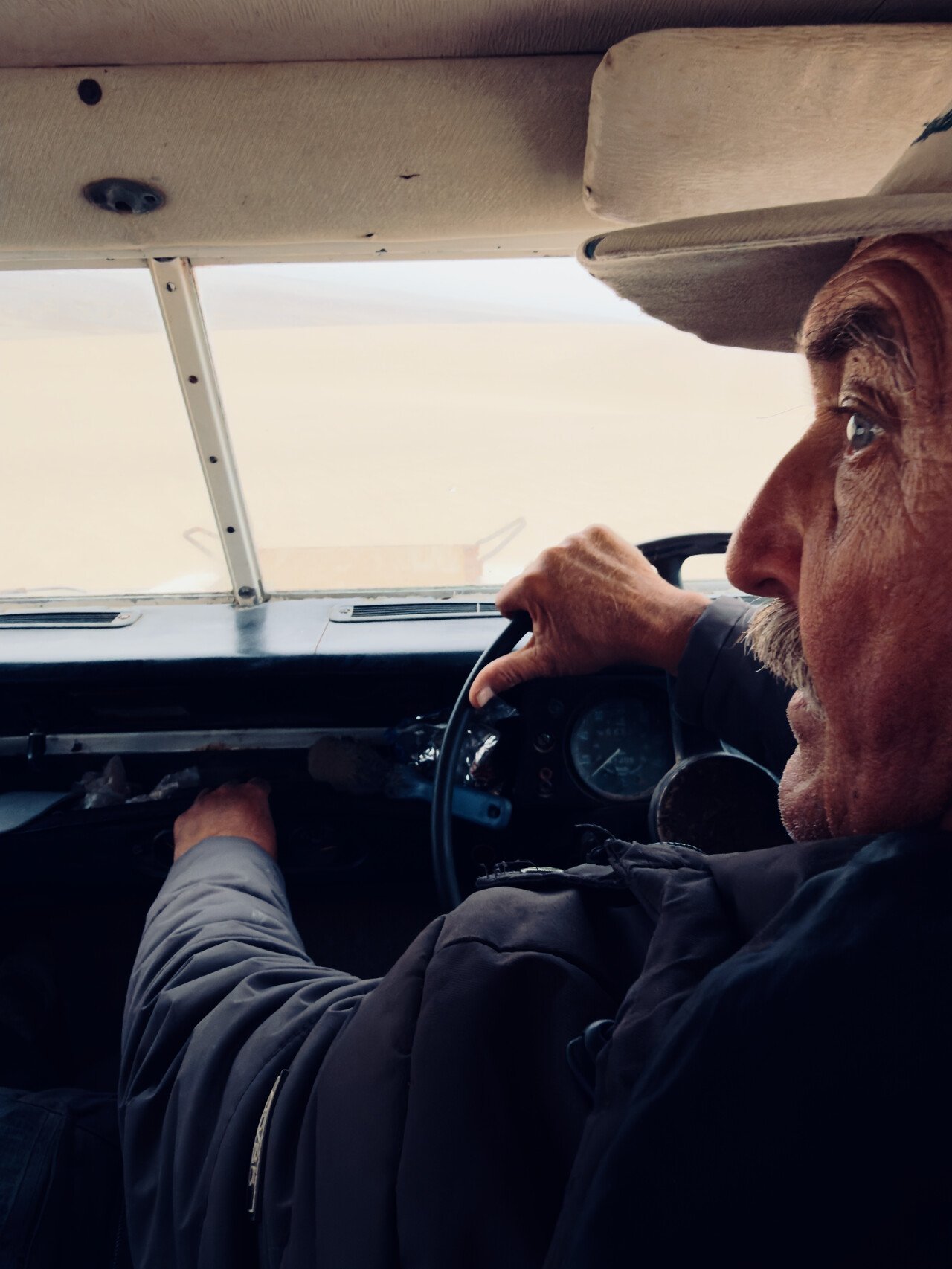
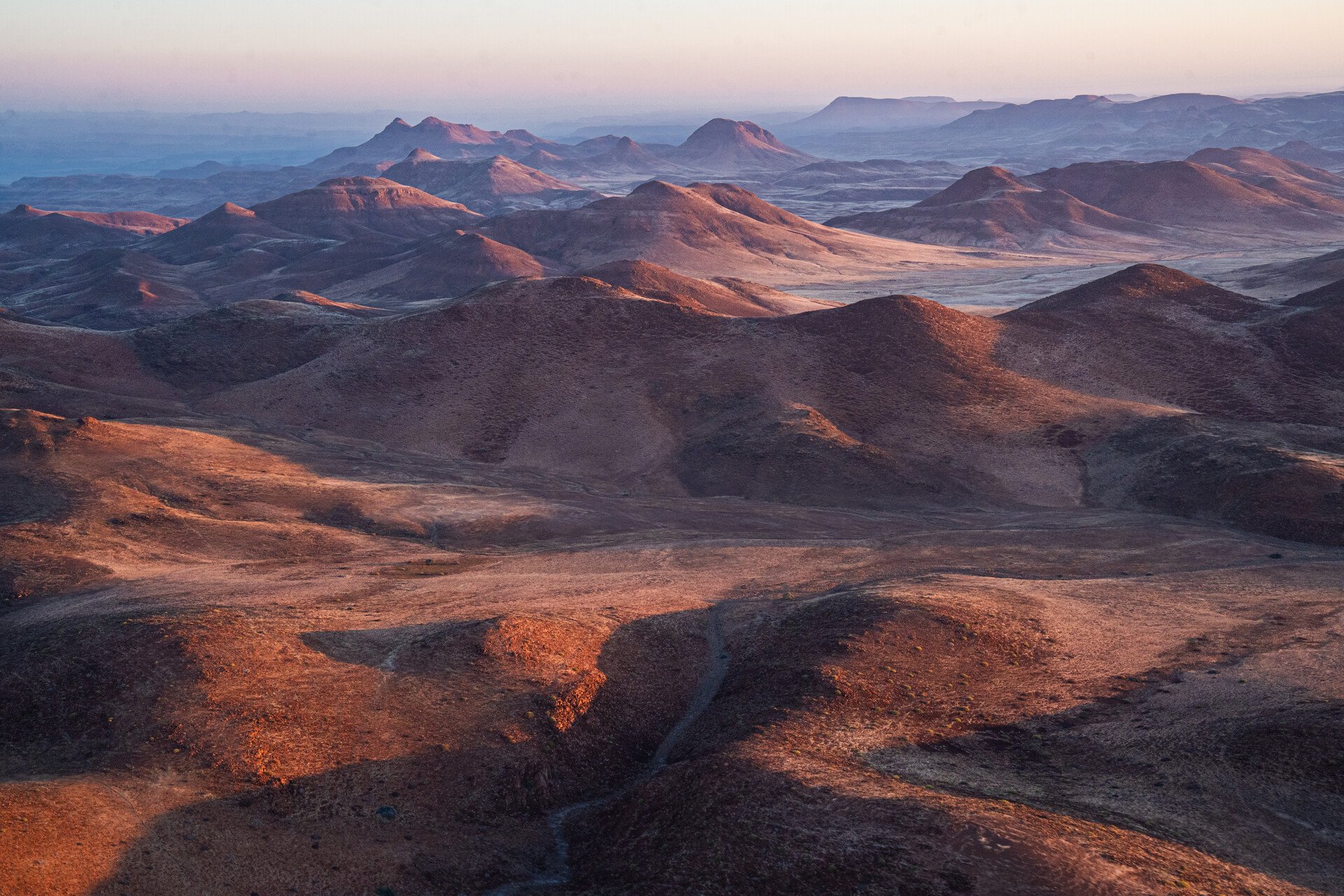
André picks a strip from the desert sands and lands us in empty terrain. A land rover parked up escorts us 30mins thru lunar landscape to our base for the night, Kuidas Camp. 5 cosy dome tents w camping beds, duvets and thick warm blankets, bush showers and a dining area that looks out over the valley below, red mountain in the distance, open plains, volcanic craters formed by meteors years back.
Evening closes in quick after a warm bush shower filled by the camp team, a beer overlooking the desert plain as the sun slowly dips once more…
Deep sleep, the bush coming to a hush as my eyes close and my mind wanders to bushmen, meteors, and lions roaming the plains below.
DAY 4
————————————————————————
The day starts w bread baked in a coffee tin toasted in the oven, freshly baked with a crunchy crust. Hot porridge, sweet tea as the valley opens up from the night mist.
I poke a drone up above the mist layer and the sun zaps me from the horizon as a blanket of mist lets peaks of surrounding mountains come up for air. It’s stunning, dramatic, mesmerising, I chase the drone along the ridge edge behind Camp until it drops from signal…
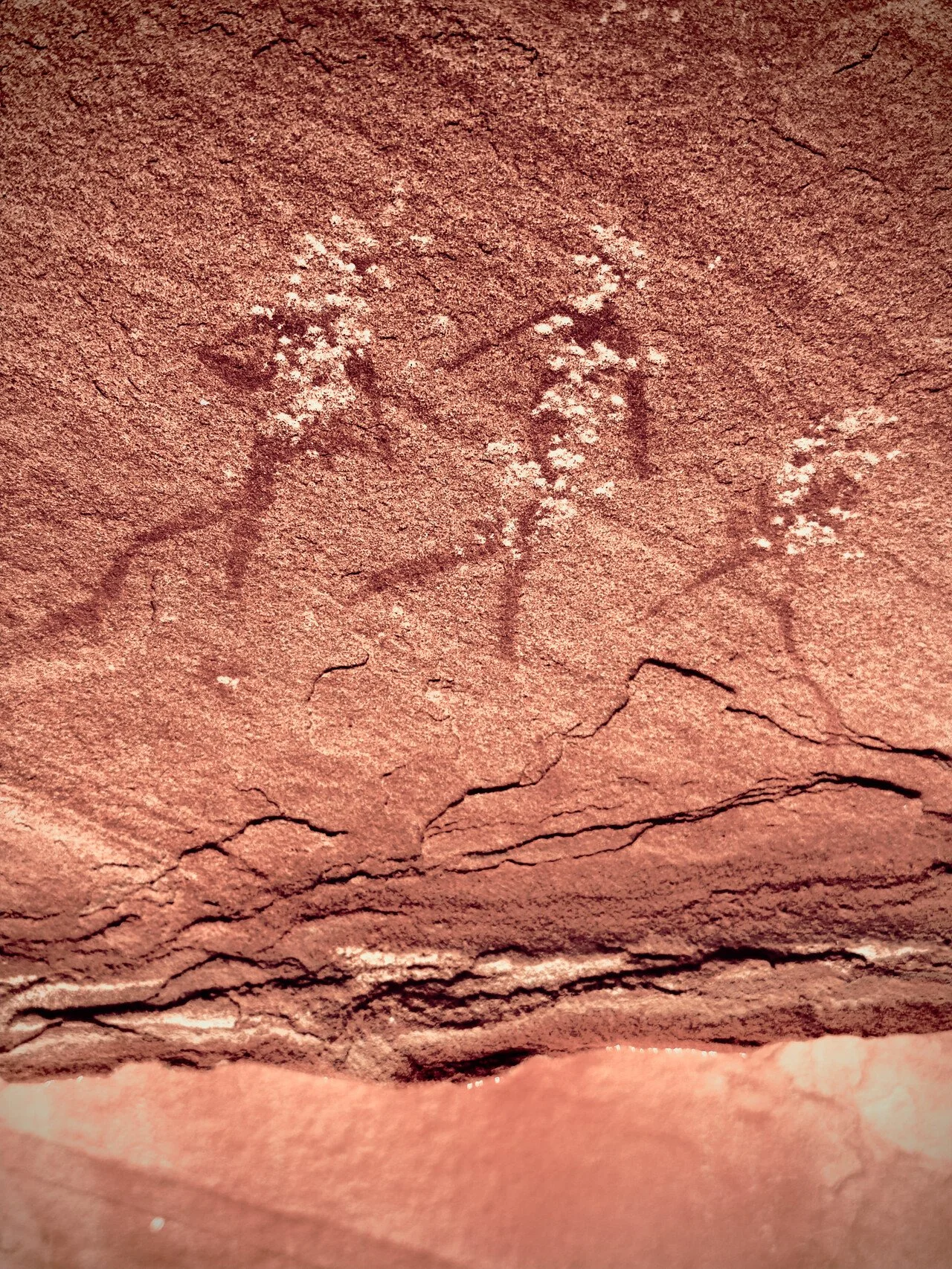
Our morning starts with a walk up to the ridge line behind our Camp. André’s playground as a child he explains. He shows us cave paintings of elephants, zebra, Bush people, all engravings and paintings that he discovered as a child. Euphorbia, dollar plants, edelveiss, are just some of the flora that André picks out as we walk into the mountains, ducking into cave like shelters, remnants of makeshift shelters evident by stone circles which had skins strung over the top or reeds to give shade and shelter from the elements.
We fly north to Terance Bay, dropping from the sky to a random hangar dotted on the shoreline, seals at bay, a Land Rover Series 80 hiding behind the hangar doors and set off into the dunes once more.
DAY 5
————————————————————————
I write this as we are flying over the Kunene River. I’ve wanted to reach this area for years, the border of Namibia w Angola a truly remote wilderness and one of the main riverine veins of the continent. A rare treat. A huge river mouth opening into the Atlantic, dunes bordering from the Namibian side and hard rock on the Angolan side. Pelicans sunbathing on sandbanks, big crocs patrolling the waters, brown silty water flowing aggressively into the open ocean. Palm trees prop themselves up in the desert sun whilst turtles float at the open river mouth unaware of it all, like a tourist on a lilo in their hotel pool.
We take a hard right cutting back into Namibia, leaving the Kunene behind and criss-cross sand dunes rippling south deep into Namibia.
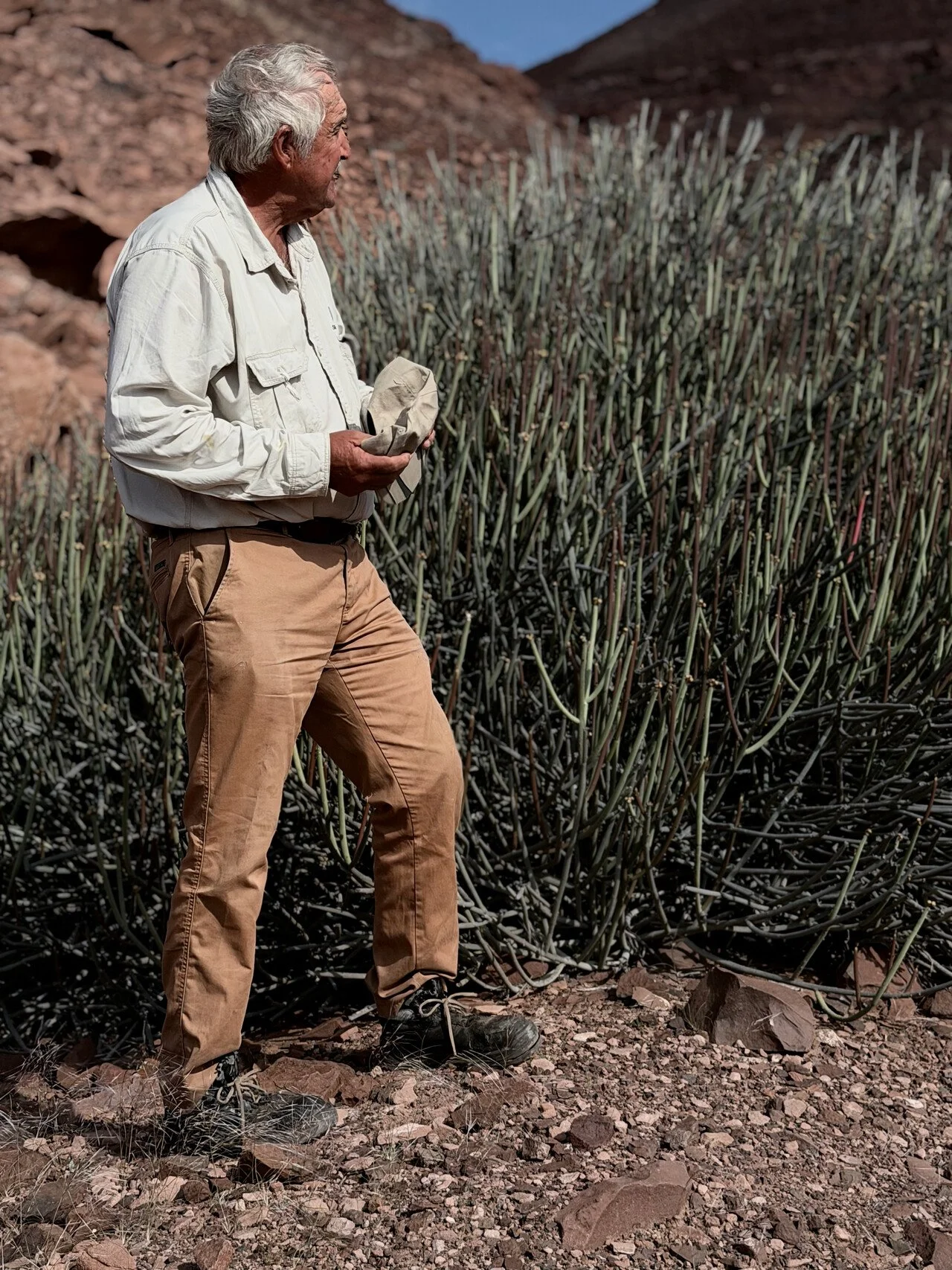
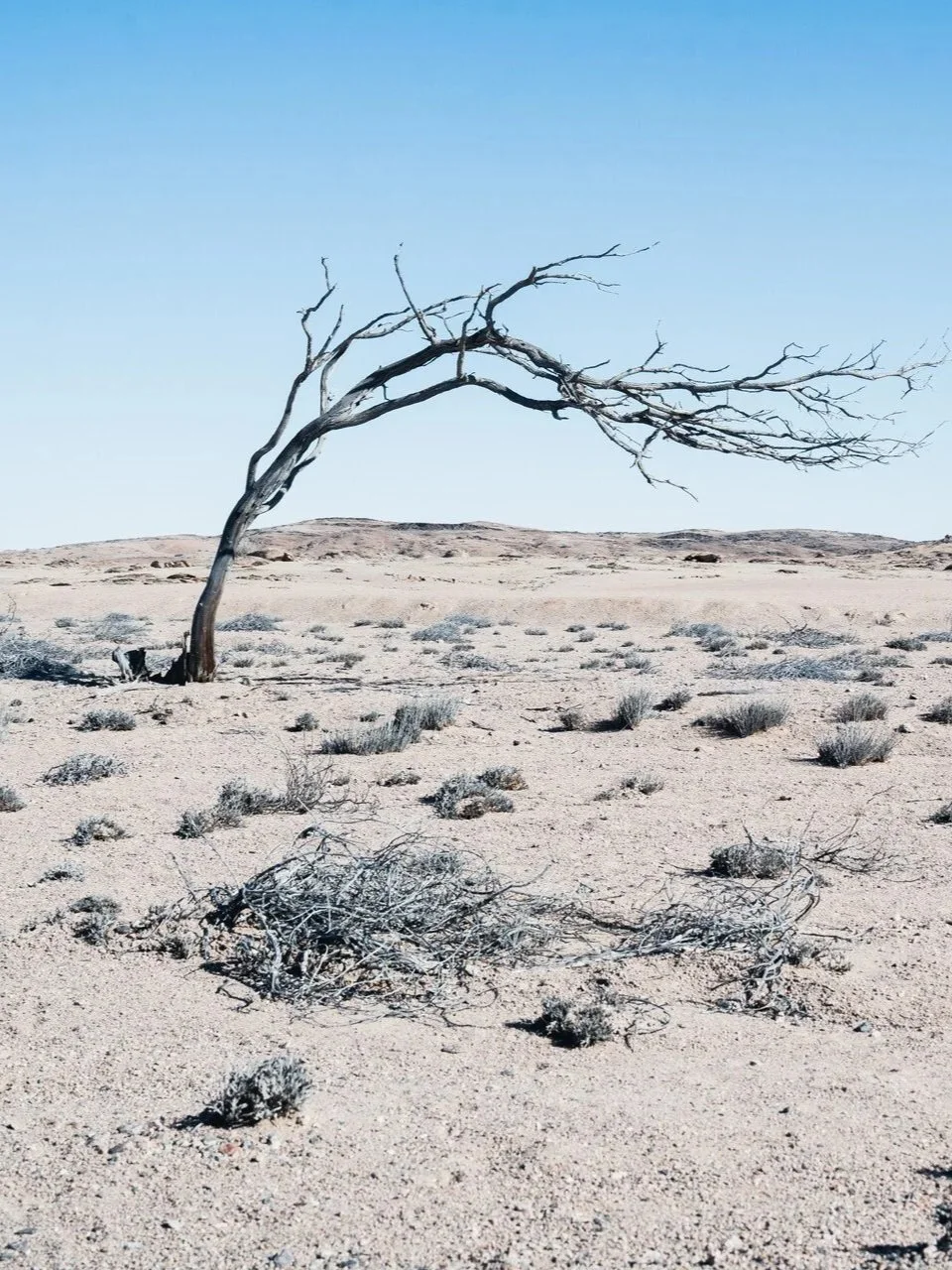
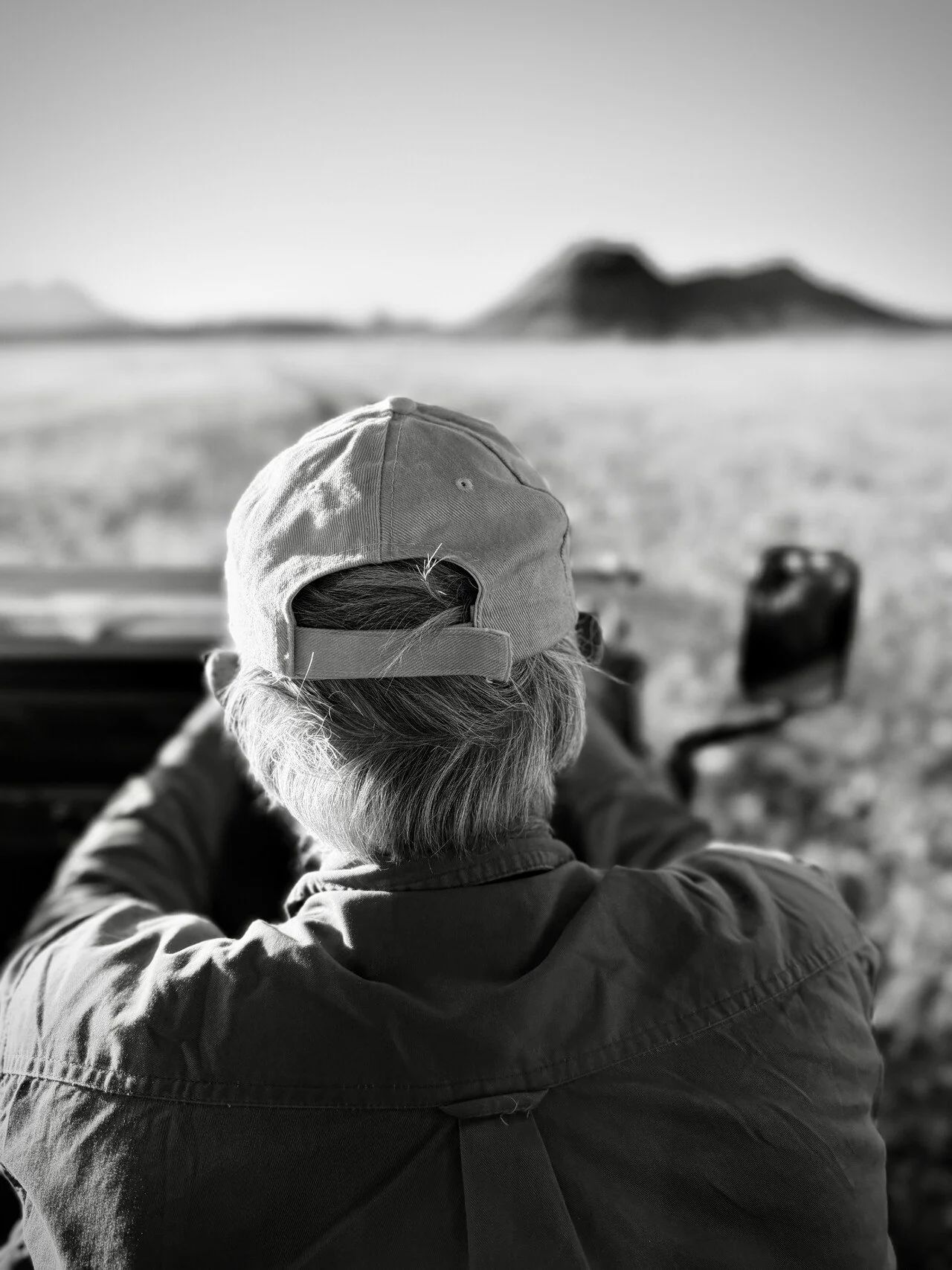
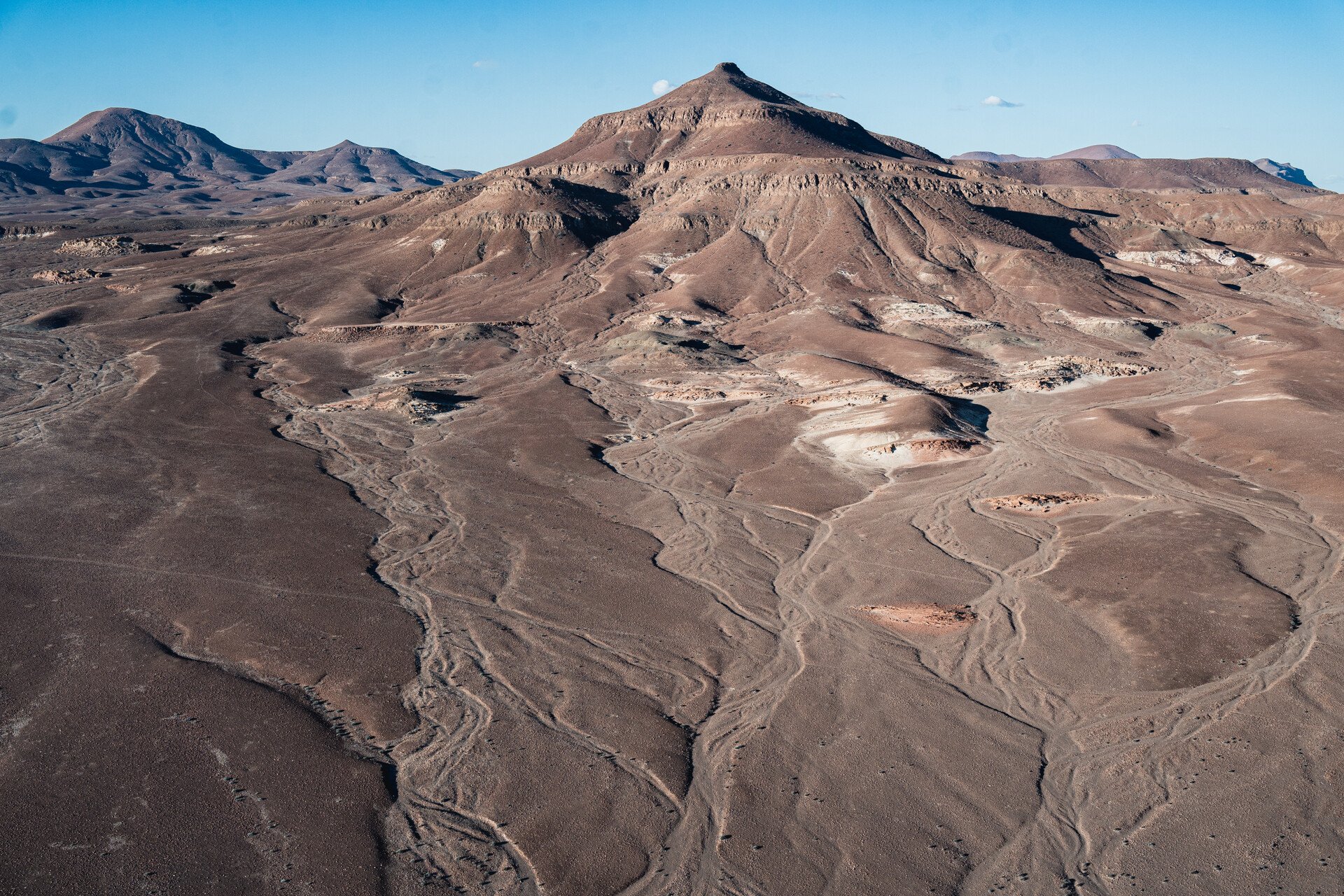
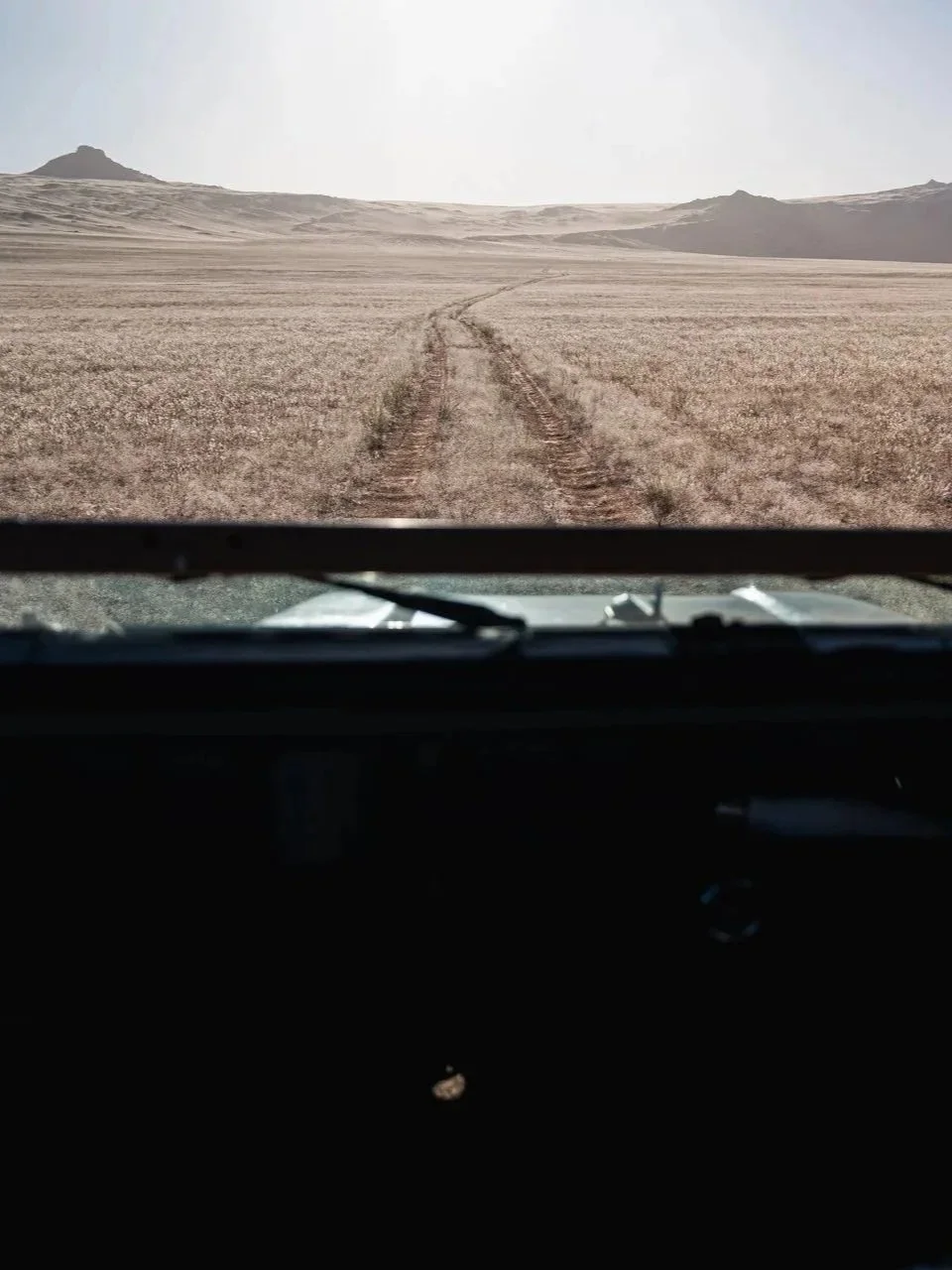
We drop down to André’s airstrip, another secluded landing site, jump in the Land Rover that is always waiting, and set off in the hot afternoon sun thru knee length grasses shining in the sunlight to the distant rock escarpment on the horizon.
We wind our way thru the plains, up onto the escarpment, leaving the shiny carpet behind us that reaches for the sky after the first rains to touch these lands in 8 years. View after view unfolds as we climb ridge lines, round corners, huge rock monoliths now surrounding us on every side.
We push on across a blanket of grass which slowly lends itself to sporadic ridges of dunes and just as the sun begins to soften, the grass suddenly stops and we are perched on the edge of a vast desert dune-scape stretching as far as the eye can see. We walk and explore, searching for lizards that bury themselves deep into the sand to enjoy the warmth of the sand during the desert night, André like a mad man diving into the dunes shoulder deep in an attempt to catch one of these reptiles that evade him at every step. I watch him, as childlike he dives into dune after dune smiling away to himself in excitement in his own little world, chuckling at his little exploit, a man of nearly 70yrs of age no older than the very first time he did this.
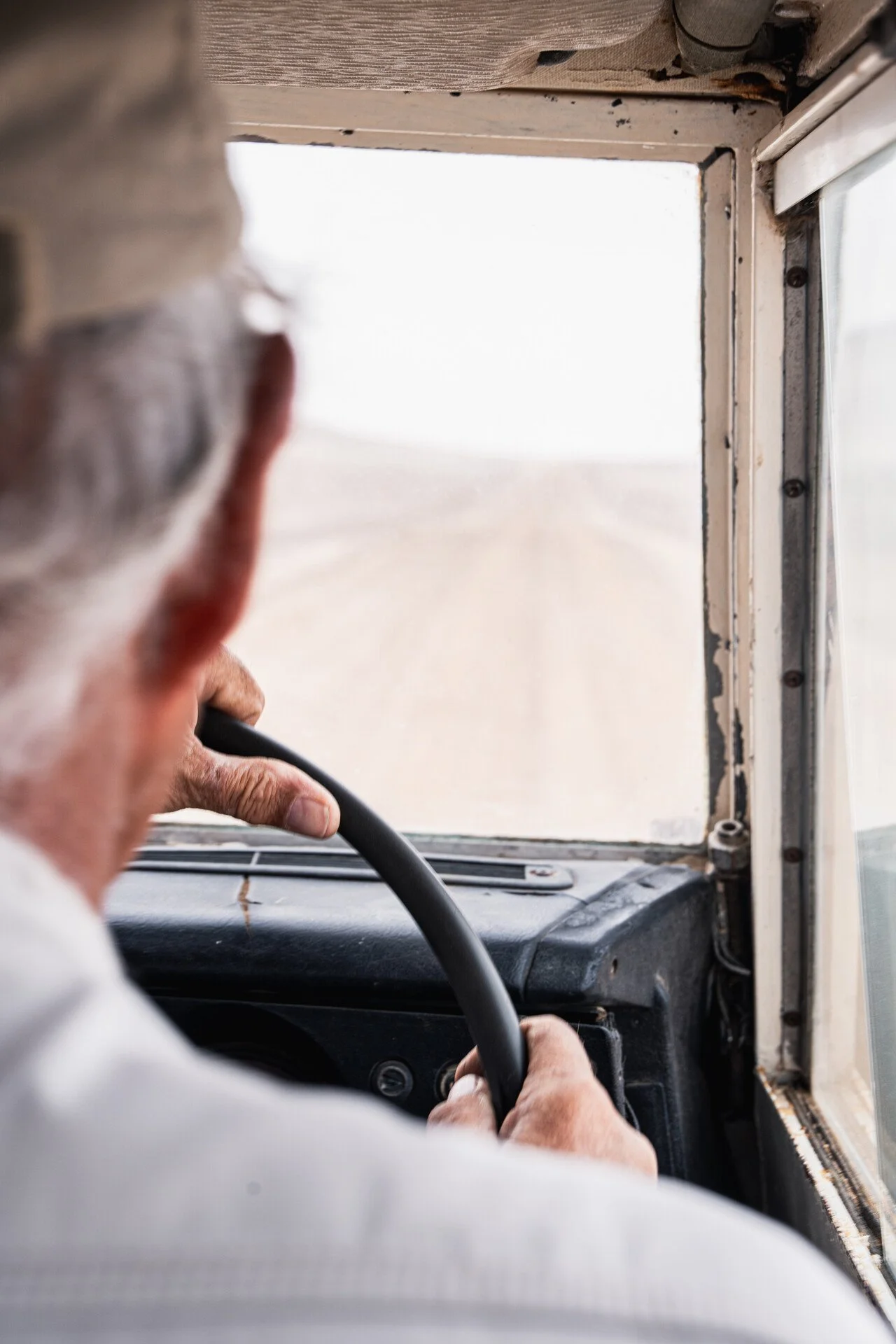
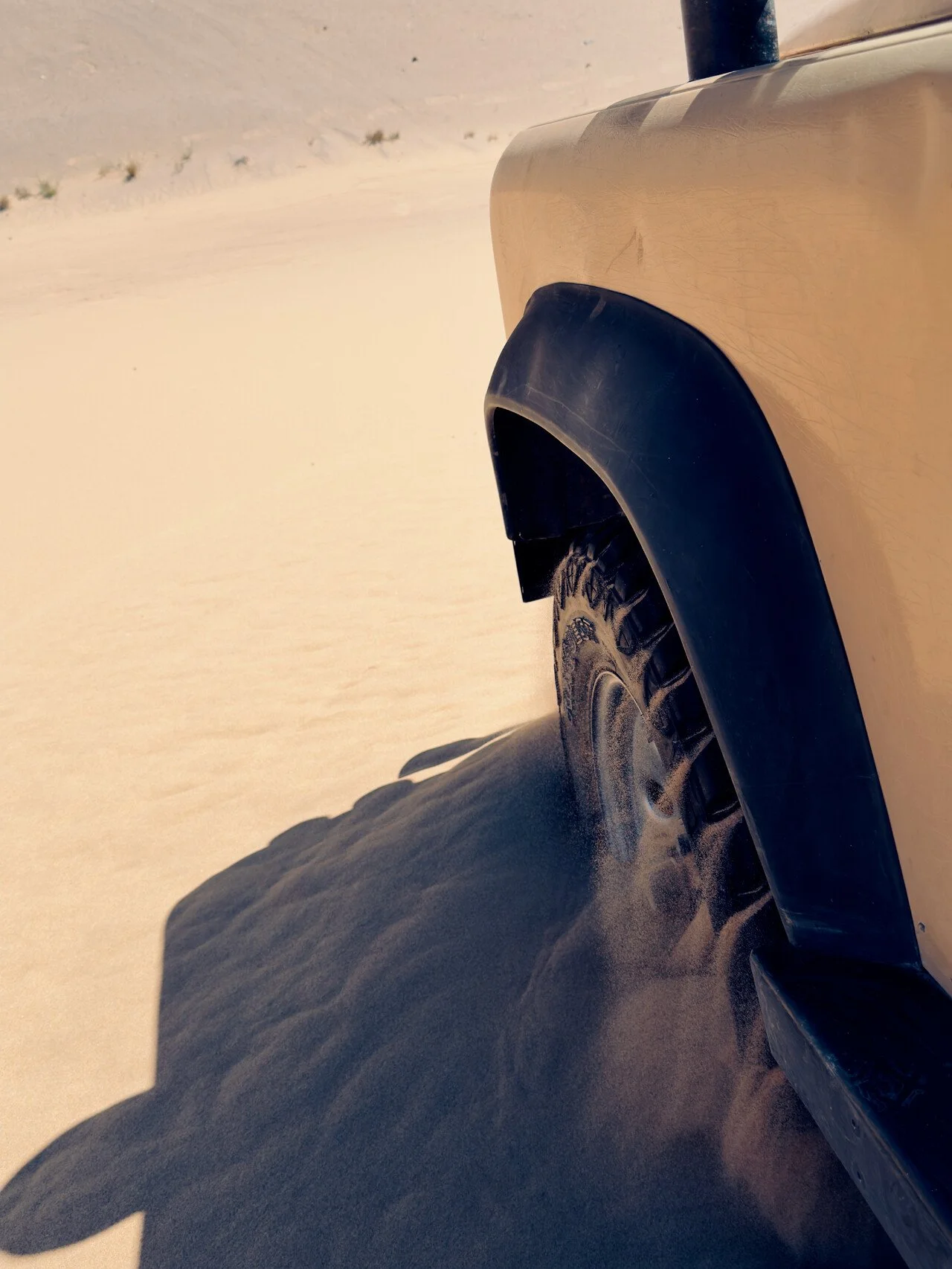
The sun drops and we drive on circling our way back to our new Camp for the night, Kunene Camp. André decides to take a short cut and dives our faithful Defender headfirst down a series of steep escarpments the river tipping the horizon as we hold onto our seat backs thrilled by the sudden change of pace, but equally ready to dive from our grinding machine at the first sign of failure and plummeting down the ravine.
We make it to the bottom and skim along the banks of the river, passing smallholdings along the way until we arrive into Camp. A stunning setting perched on the southern bank of the Kunene looking 30m across the swirling river to Angola. Namibia a mixture of green vegetation and dunes, Angola dark grey rock. I ask André why the difference, he smiles cheekily saying ‘Communism takes everything’.
Message to Clemi:
‘I am writing this from the banks of the Kunene River in the border of Namibia and Angola. You won’t get the message today (21 May) as I’ve got no reception. I have wanted to come here for a long time, we drove here across grassy plains, a huge mountain ridge lines, that transformed into dunes, as we dropped down to the valley floor meeting the river and arriving at Camp. A simple camp perched on the river bank, Angola a stones throw away. It really does feel incredibly special.x’
DAY 6
————————————————————————
We wake to the sunrise over the Kunene, a river that runs large from the source in the Angolan highlands to the Skeleton Coast mouth 800kms+ further on. It’s a beautiful river dotted with palm trees, river banks and black basalt rock seams running to the rivers edge.
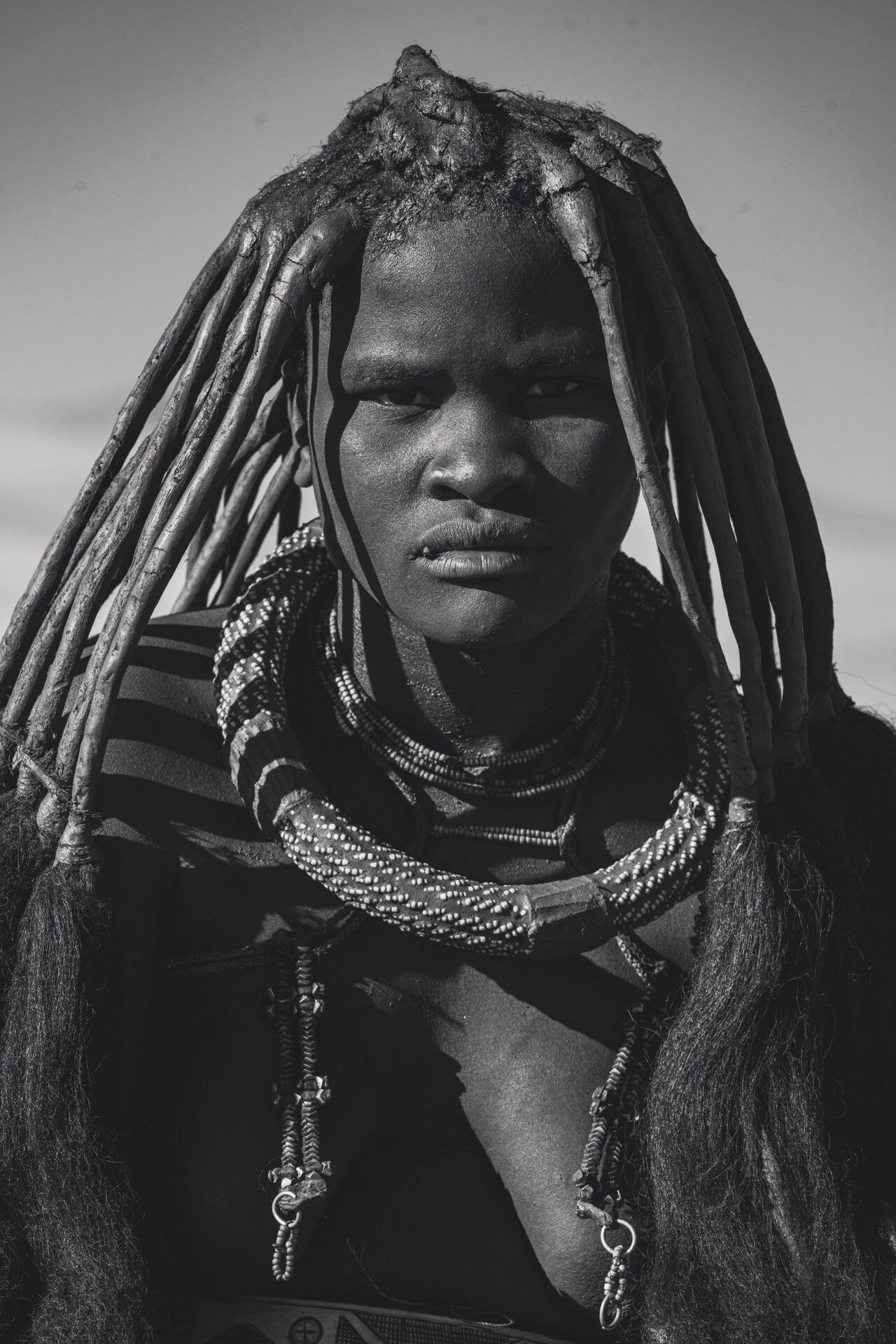
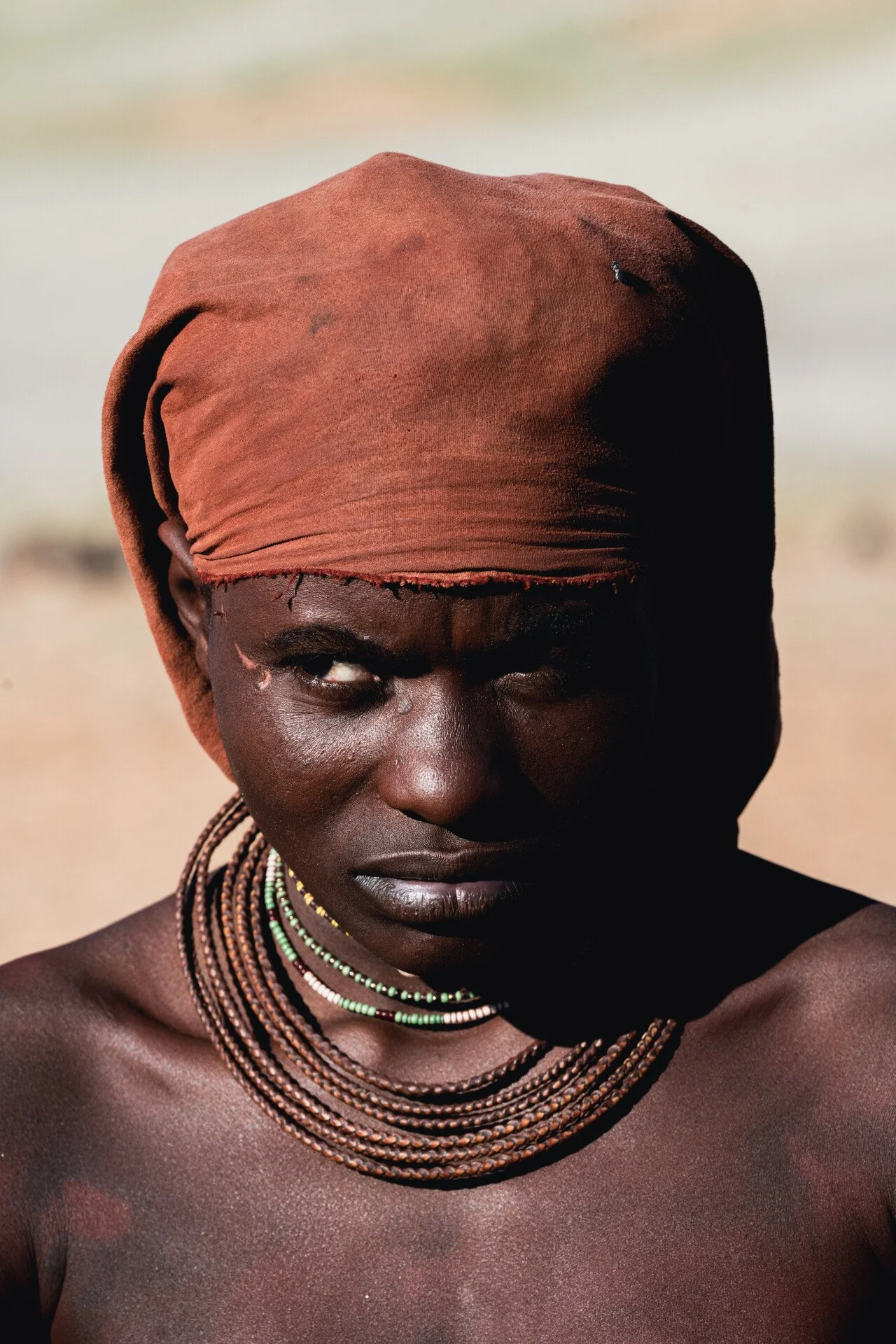
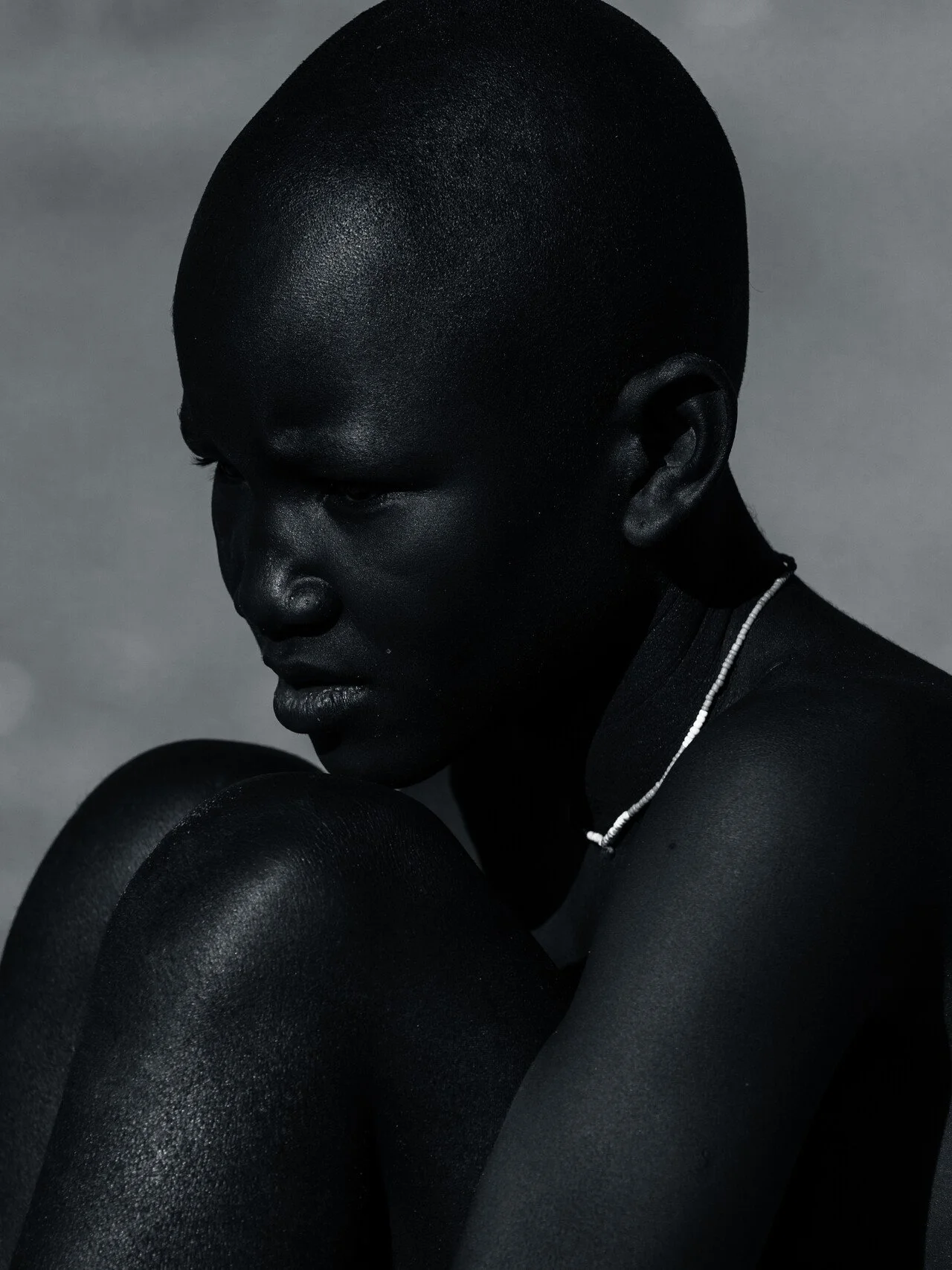
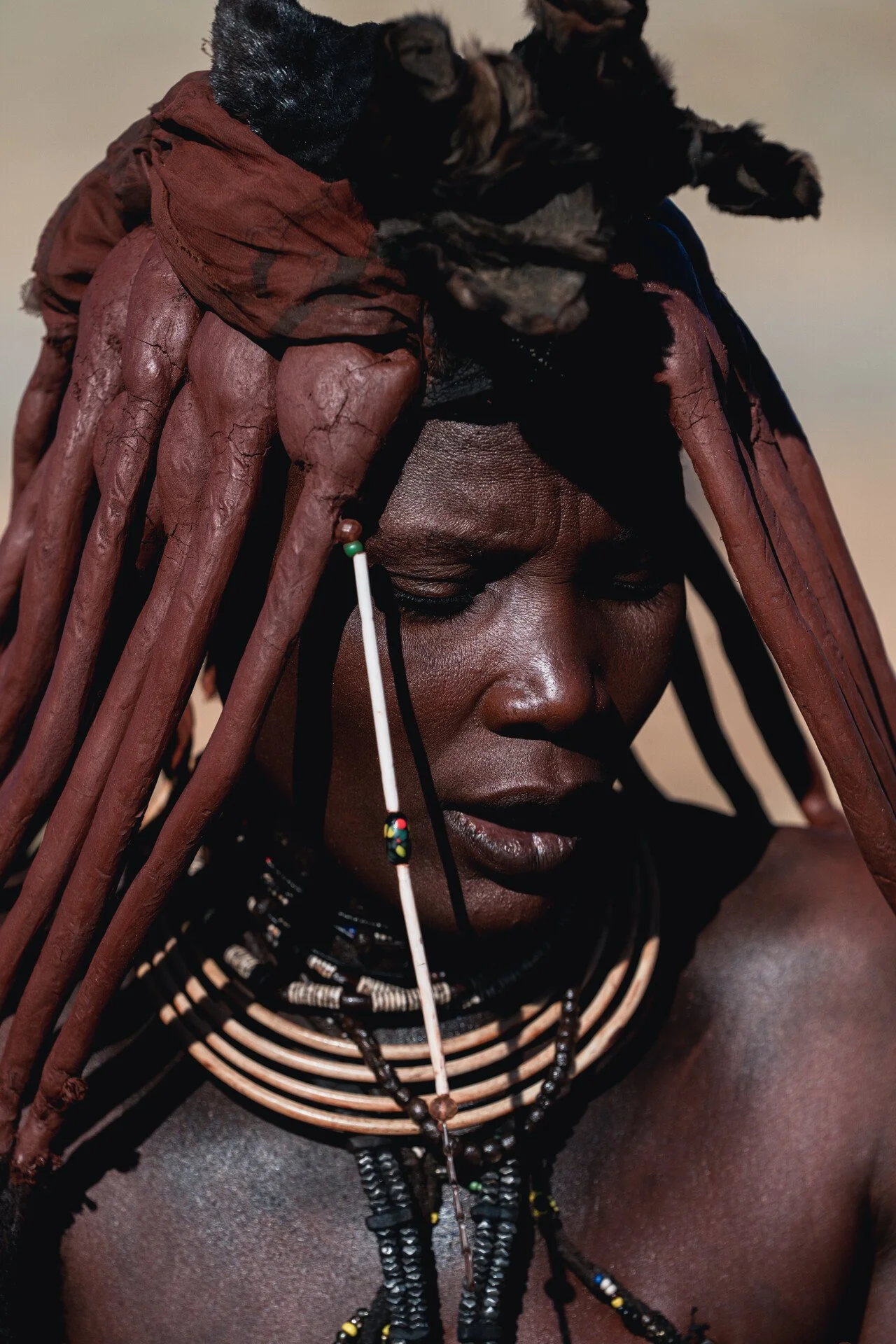
A cup of tea and rusk to line the stomach before setting off back up over the ridge line to visit w the Himba. We climb by 4x4 up the ridge and as we crest the lip we see a beautiful green bowl surrounded by escarpments with a Himba village located perfectly in the centre. We circle the village passing by to another village just over the crest, the setting just mesmerising as we turn to see the village below set to the backdrop of the Kunene and mountain after mountain stretching to the horizon.
Sitting w the Himba is a more tender and real experience than I am expecting. They are expecting us so it is not ‘uncontrived’ but it is done with genuine mutual interest and respect at heart. They are happy to chat and give us an insight into their daily lives, whilst we take in our surroundings, their decor, the ochre scent that they use for perfume and more. It is enlightening and fun and both parties move on better for it…in my eyes at least.
Turning back to Camp we have a quick breakfast before taking to the river. It’s hot now and no shade on our aluminium tender means the heat is intense. We bounce our way upriver 6 maybe 7kms, passing Sweetheart a 4m long croc basking on the bank unconcerned by our presence. As we make progress the river begins to narrow w 30m high rock backs on either side, sandstone w charcoal black basalt rock seams running through them.
A short stop on the Angolan side for a cold beer before continuing on. I manage to get my interview done with Andre, one country more under the belt…
Saying bye to Kunene as temperatures push north of 35C we fly south again to Leylandsdrift Camp. Every time we fly there’s something different to take in, meteorite strikes, rolling hillscapes, jagged ridge lines, soft dunes, it never stops, just rolling from one scape to the next. For sheer diversity of terrain, Namibia from the air is mind blowing. The size and scale, the drama. We fly low looking for elephants, spotting rhino middens but no rhino, tracks of elephants in the sand but sadly no joy. Andre a week before had spotted an elephant up near the roaring dunes bum surfing down the dune…look it up on you tube, it’s worth it.
DAY 7
————————————————————————
We set off into the dunes again by 4x4 to see what we can see. We disturb two nesting lapet faced vultures that take off from their nest their 2m+ wingspan flicking the dunes as they disappear into the sands. Known to fly 35kms from inland to the coast to eat seals basking on the ocean shores.
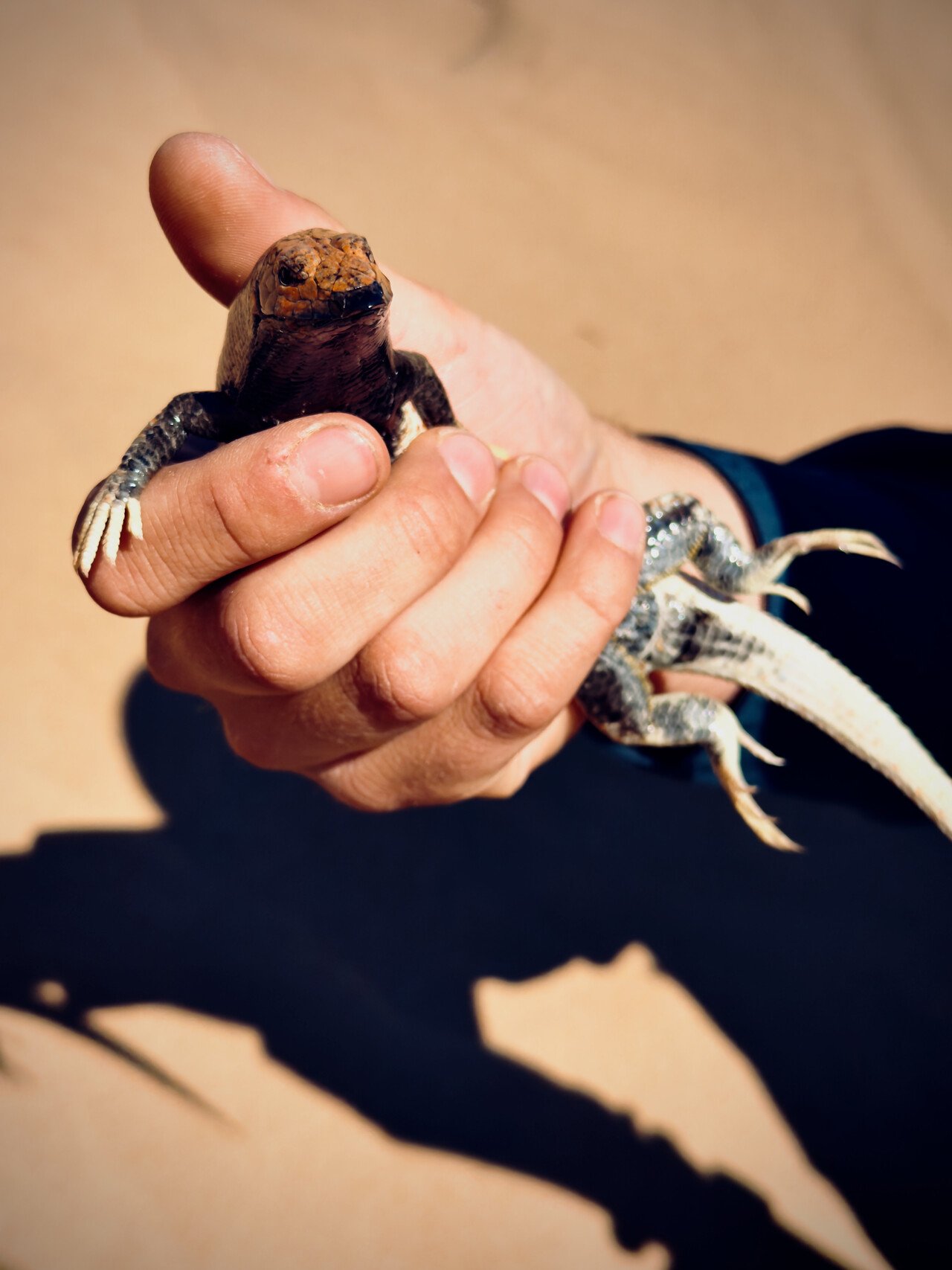
We carry on pushing into the dunes, André, myself and Jamie jumping out of the Land Rover to madly try and catch lizards before they dive down into the sands. The trick André explains is to frisbee your cap into the air, thinking it is a bird flying overhead they dive down into the sand and as long as you keep an eye on the spot they disappear, you can approach and scoop them out. We examine a big male lizard up close as he is panting in our hands, we drop water on his nose as a little reward for his patience, at first he ignores it, then laps it up with a flicker of his tongue.
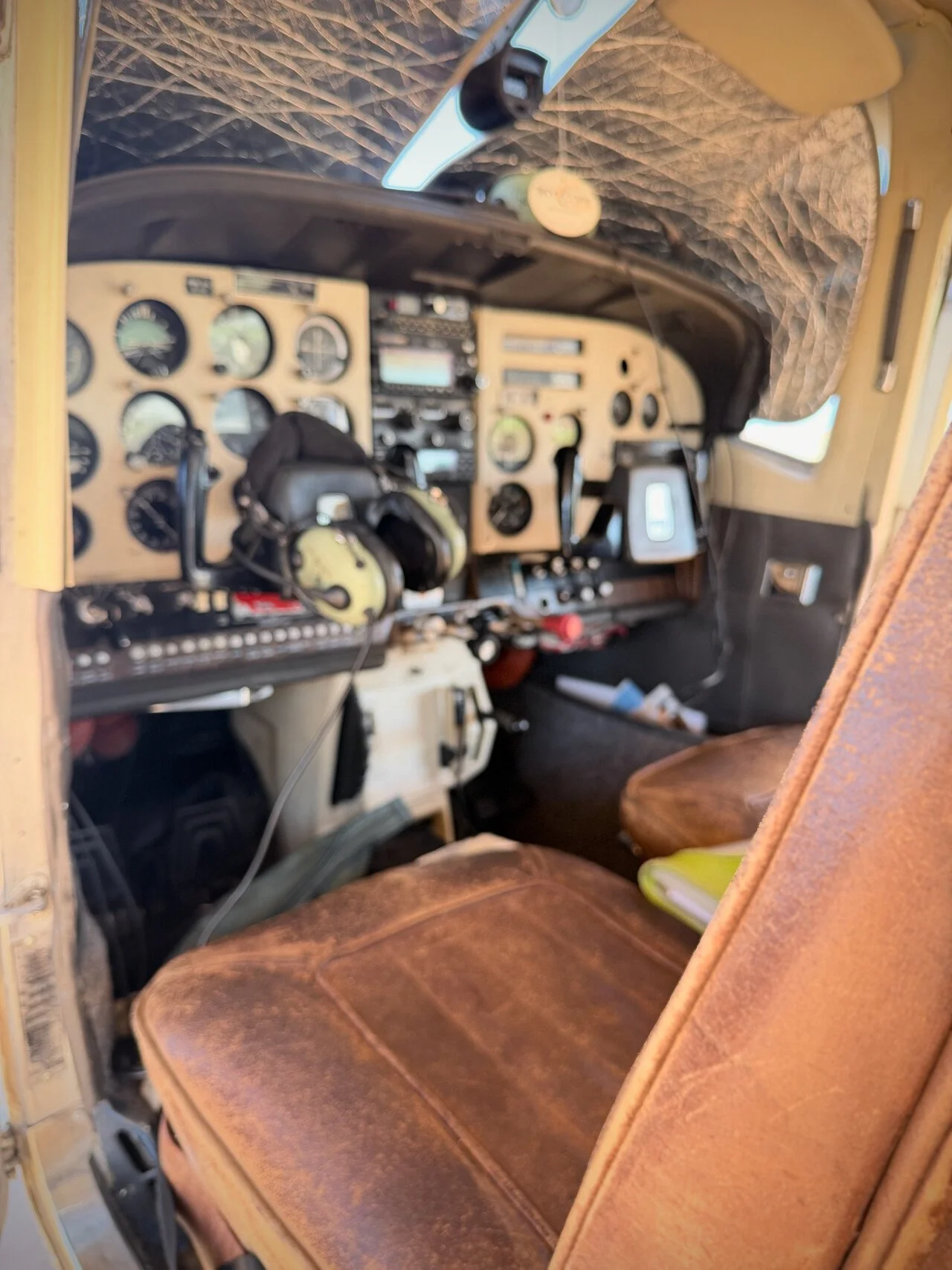
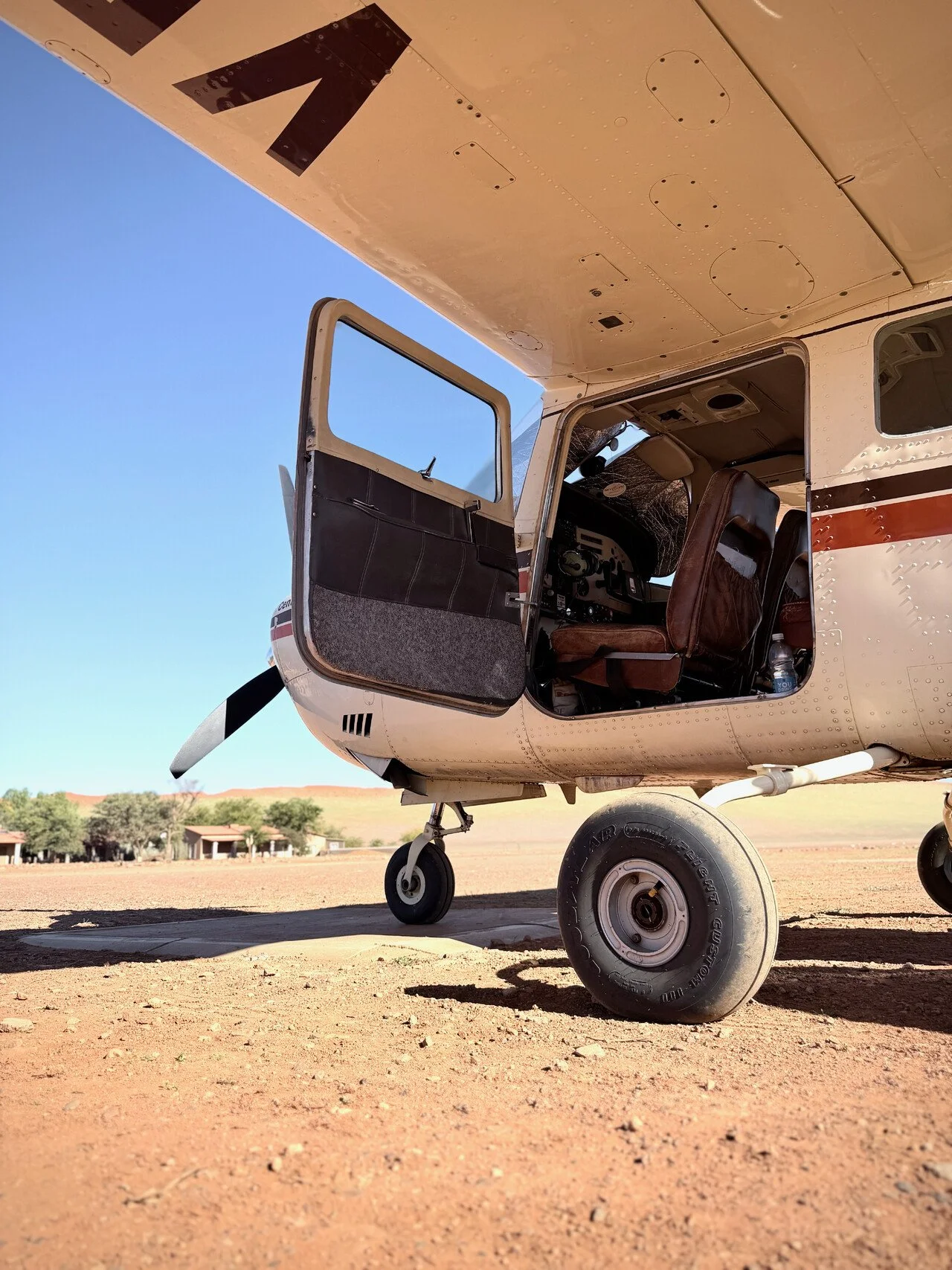
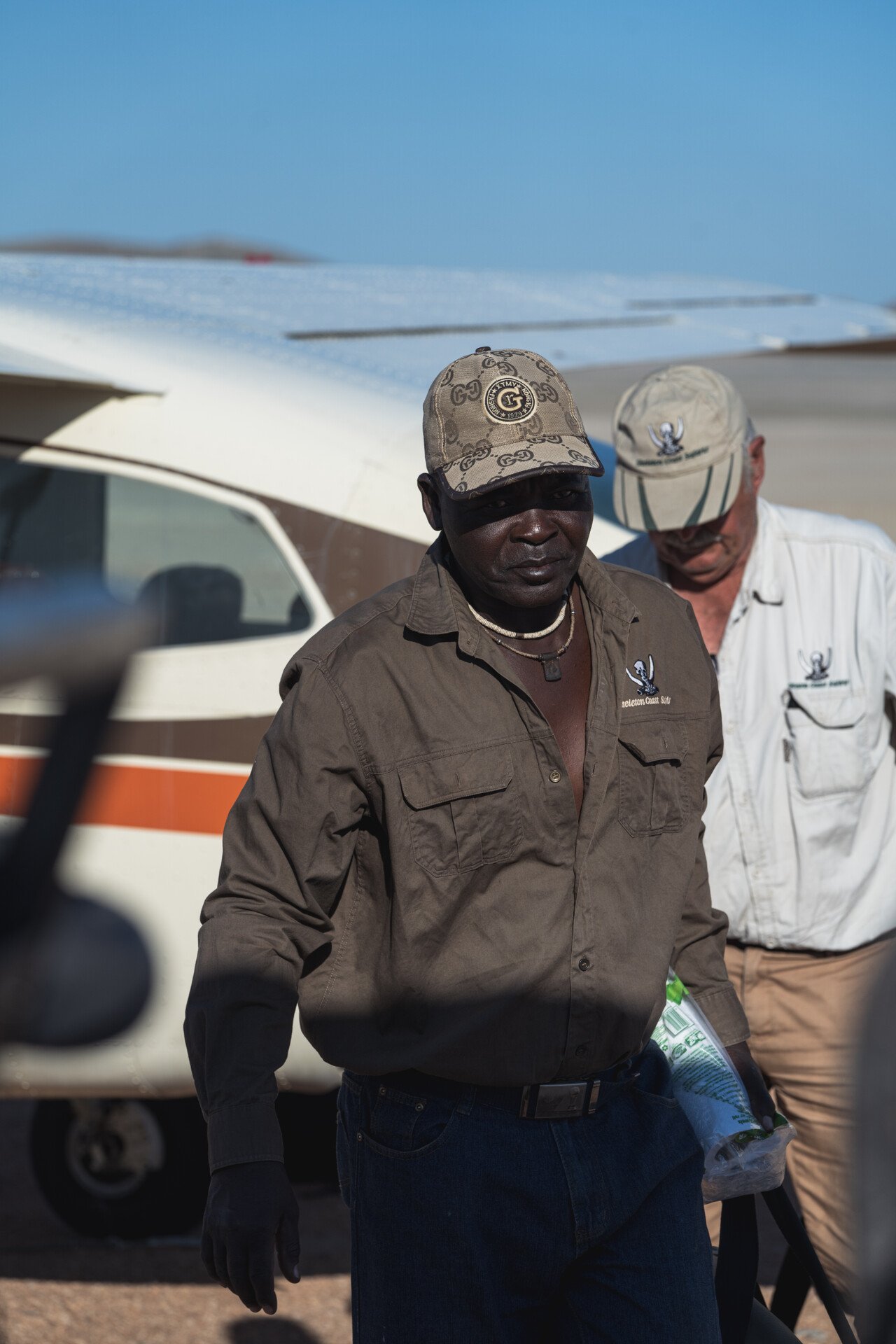
And with that, we slowly hop our way back to Windhoek in our travel weary Cessna 210 – originally built in the 70’s I think?
It’s a real trip this one, a discovery of a country from the dust upwards even though you spend most of your time exploring it from the air. It’s old school, you walk the sand, you smell the sea, you meet the people and you learn. And after all, that’s really what travel should be about isn’t it.